
Table of Contents
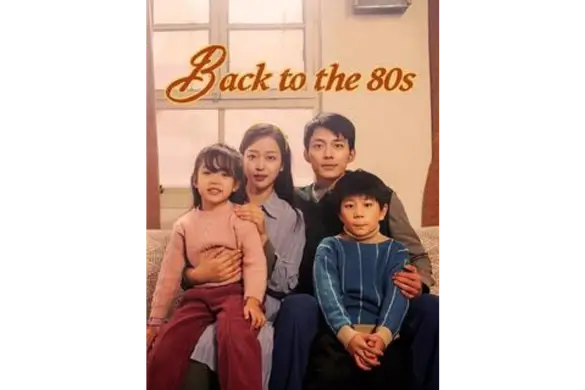
Back to the 80s review explores a Chinese micro-drama that has rapidly gained attention for its unique storytelling format and emotional narrative. Distributed on Dramabox, this 82-episode series combines rebirth, romance, and family conflict within ultra-short episodes designed for mobile audiences.
Blending elements commonly seen in k-drama storytelling with Chinese cultural themes, the series delivers a fast-paced narrative centered on identity, survival, and adaptation in a completely different era.
Core Storyline and Setting
The drama introduces Lulie Stein, a modern college student who unexpectedly wakes up in the 1980s. Instead of her familiar life, she finds herself living as a disowned daughter in a wealthy family where she has no biological ties.
Her situation becomes more complex when she is forced into marriage with an older man who already has two children. With no clear path back to her original timeline, the story focuses on her efforts to adapt to traditional expectations while navigating an unfamiliar social environment.
The 1980s setting plays a crucial role, emphasizing the contrast between modern perspectives and historical cultural norms.
Narrative Flow and Conflict Development
The progression of the story is driven by constant interpersonal conflict. Each short episode contributes to a broader narrative built on tension between characters, particularly within the family structure.
Key conflicts revolve around forced marriage, acceptance within the household, and the emotional distance between Lulie and her new family members. Over time, relationships evolve, shifting from resistance to gradual understanding.
This layered approach allows the drama to maintain engagement despite its short runtime format.
Character Relationships and Dynamics
At the center of the story is Lulie Stein, whose role reflects resilience and adaptability in an unfamiliar world. Her modern mindset often clashes with the expectations of the 1980s environment.
The fiancé character introduces a contrasting dynamic—initially distant but gradually revealing a more supportive and complex personality. The children further add emotional depth, as their relationship with Lulie evolves from rejection to acceptance.
Extended family members represent traditional values, reinforcing the cultural tension that drives much of the narrative.
Themes Driving the Story
“Back to the 80s” focuses heavily on themes that resonate with modern audiences:
- The conflict between modern independence and traditional expectations
- Family hierarchy and social pressure
- Identity reconstruction in an unfamiliar environment
These elements align closely with trends seen in both Chinese drama and k-drama narratives, particularly those centered on emotional conflict and personal growth.
Viewing Format and Audience Experience
One of the defining features of the series is its ultra-short format. Each episode lasts approximately one to two minutes, making it highly accessible for mobile viewers.
This structure supports quick consumption and continuous engagement, aligning with current viewing habits shaped by short-form platforms. The series is primarily distributed through Dramabox, where personalized recommendations contribute to its reach.
Popularity and Market Influence
Since its release during the Spring Festival, the drama has demonstrated significant commercial success. It generated over 20 million yuan on its first day and accumulated more than 1 billion views through related hashtags on Douyin.
The series reflects the rapid expansion of China’s ultra-short drama market, which has grown into a multi-billion-yuan industry. With increasing production quality and strong audience demand, this format is becoming a dominant force in digital entertainment.
Strengths in Execution
The series benefits from a fast-paced narrative that maintains viewer attention across short episodes. Improved acting quality and more refined storytelling distinguish it from earlier micro-drama productions.
The integration of emotional conflict with cultural themes enhances its appeal, particularly for audiences interested in family-driven narratives.
Limitations and Criticism
Despite its strengths, the short episode format can limit deeper character development. Some plot elements follow familiar tropes, especially within the rebirth and forced marriage genres.
The rapid pacing, while engaging, may also reduce the impact of certain emotional moments.
Audience Suitability
“Back to the 80s” is best suited for viewers who enjoy time-travel dramas, family conflict stories, and romantic narratives set within historical contexts.
Its structure makes it particularly appealing to audiences seeking quick, engaging content rather than long-form storytelling.
⭐ Rating: 4/5