
Table of Contents
Korean horror does not usually scream for attention. It creeps in, sits quietly in the corner, and waits until you realize something is very wrong.
That is one of the reasons these films have become so respected around the world. Yes, Korean horror can be violent. It can be shocking. It can give you ghosts, zombies, monsters, cults, revenge, and blood-soaked endings. But the best Korean horror movies are rarely just about fear. They are about broken families, guilt, grief, social pressure, class anger, religious doubt, and the strange things people do when they are pushed too far.
Unlike many mainstream horror films that rely heavily on jump scares, Korean horror often builds its terror through mood and meaning. The fear comes from the story. It comes from the characters. It comes from the feeling that what you are watching is not only frightening, but emotionally rotten underneath.
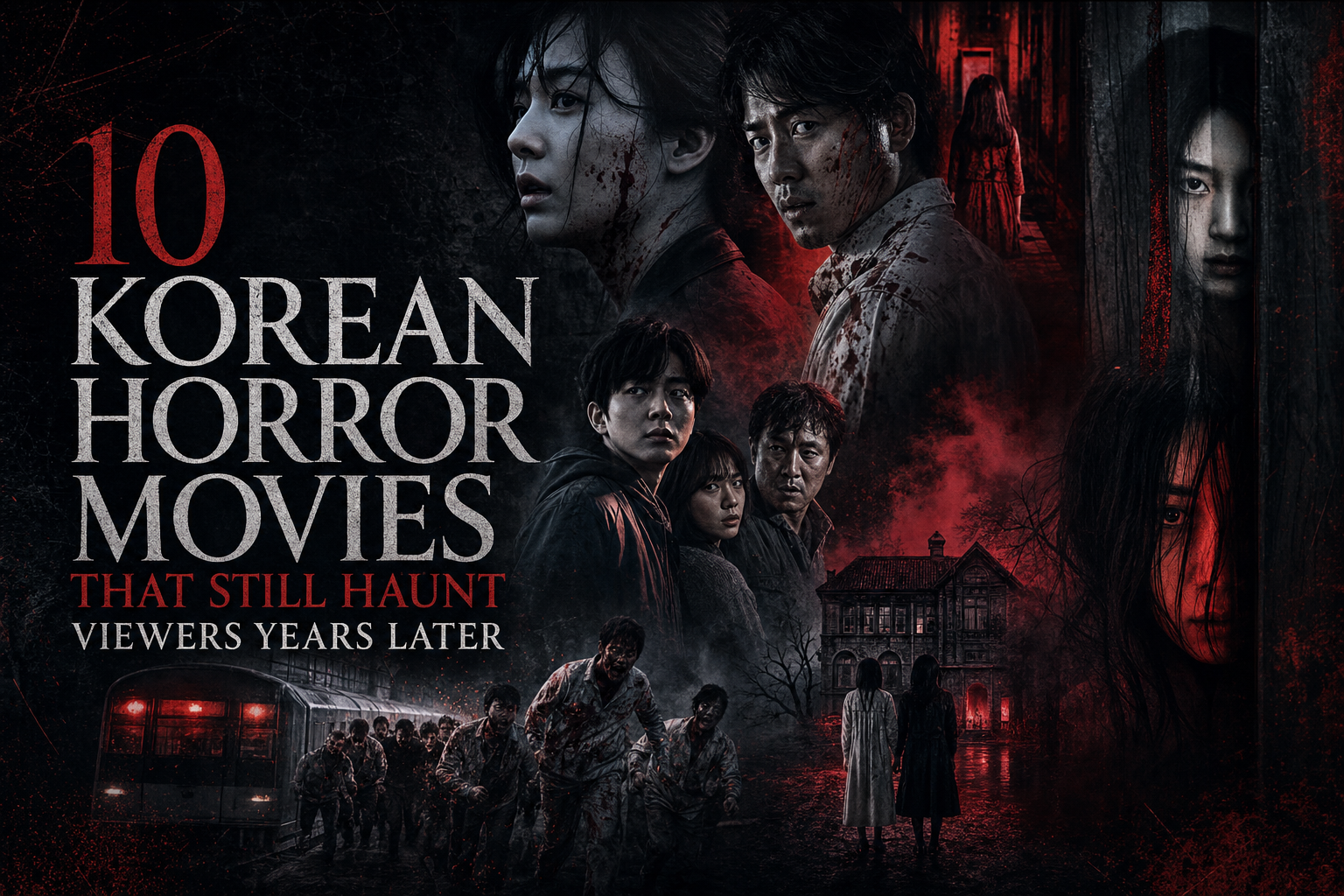
From haunted homes to zombie trains, here are the 10 best Korean horror movies of all time, ranked.
10. Sleep (2023)
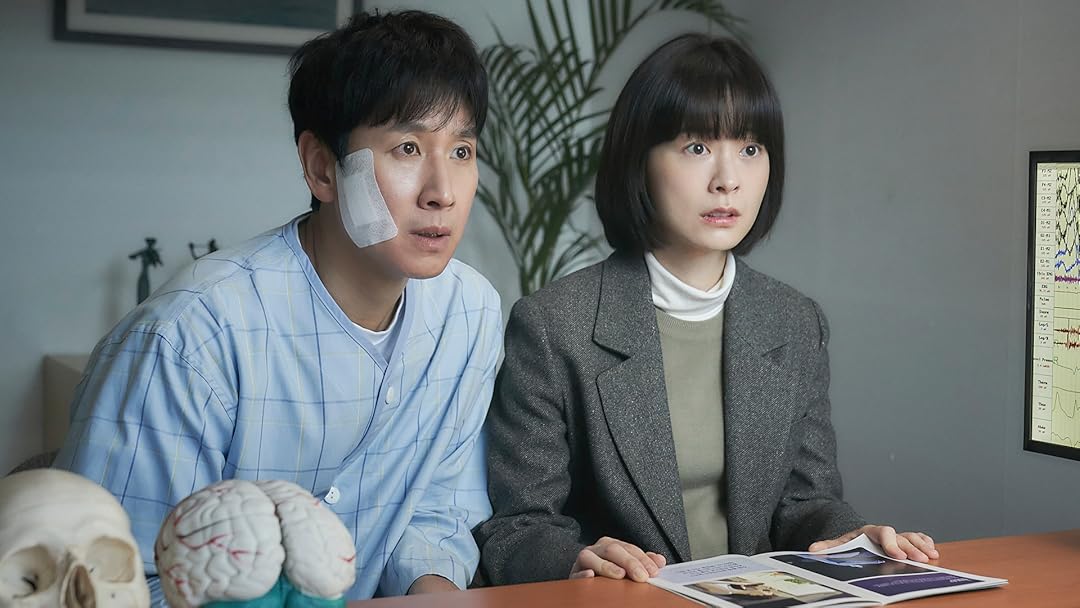
Sleep is the kind of horror movie that proves you do not need a giant monster or a complicated mythology to disturb an audience. Sometimes, all you need is a bed, a marriage, and one person acting strangely in the middle of the night.
The film follows Soo-jin and Hyun-su, a young married couple whose life begins to fall apart when Hyun-su starts doing terrifying things while asleep. At first, the situation feels almost darkly funny. Then it becomes uncomfortable. Then it becomes genuinely scary.
What makes Sleep work so well is how close to real life it feels. Anyone who has shared a room with another person knows how vulnerable sleep can be. You close your eyes and trust that the person next to you is still the same person when the lights go out. This movie takes that quiet trust and slowly poisons it.
Jung Yu-mi is excellent as Soo-jin, carrying the film’s anxiety without making it feel exaggerated. The horror grows from her exhaustion, her fear, and her desperate need to understand what is happening inside her own home.
It is a small film, but it hits hard.
Where to watch Sleep: Hulu
9. Three… Extremes (2004)
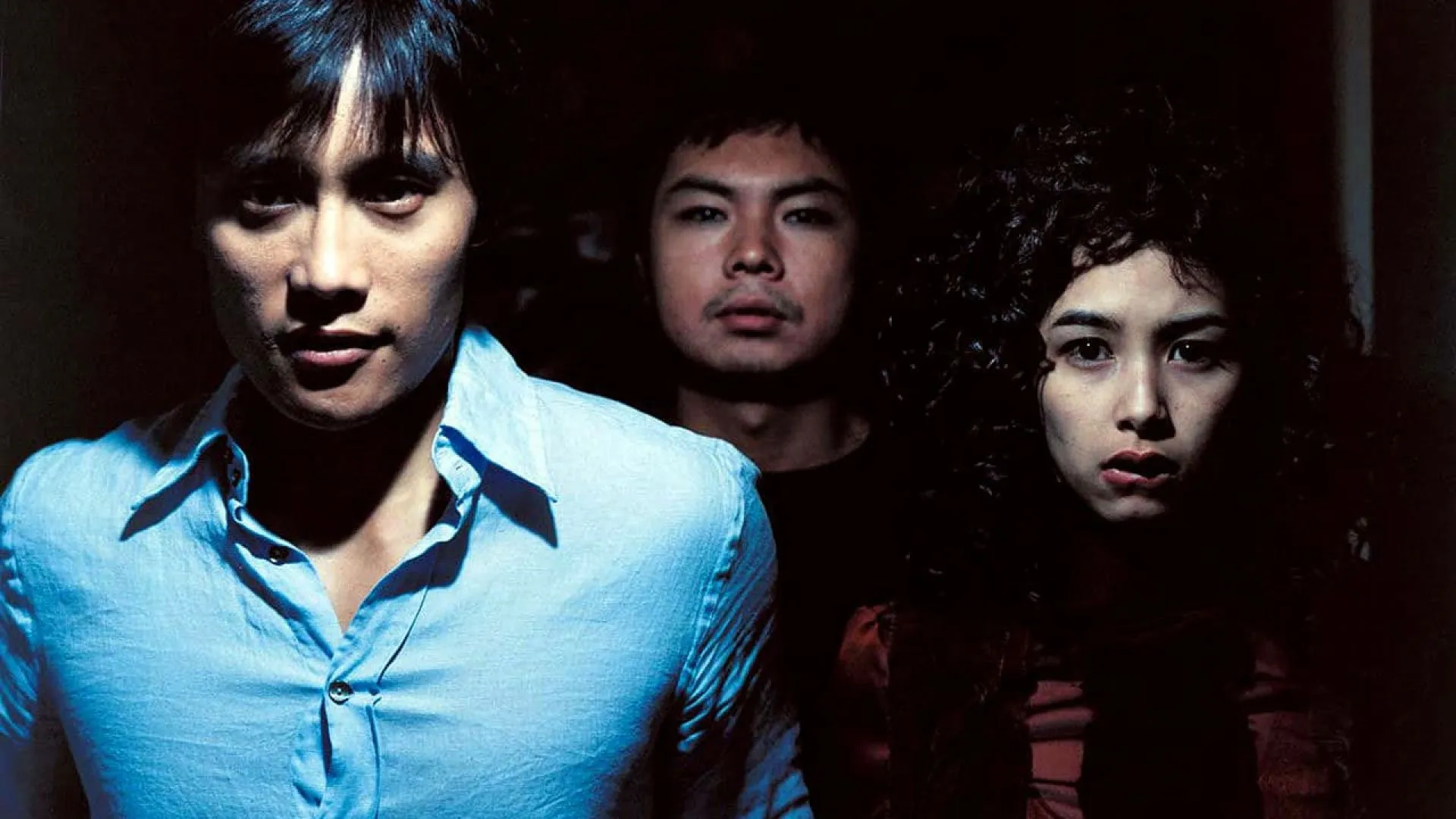
Strictly speaking, Three… Extremes is not fully a Korean horror film. It is an anthology with three segments from three different Asian directors. But Park Chan-wook’s Korean segment, Cut, is too memorable to ignore.
Cut tells the story of a successful film director who is taken hostage by a bitter extra. The director’s wife is also trapped, and what follows is a cruel little game built around jealousy, humiliation, and impossible choices.
Park Chan-wook has always been good at making violence look elegant, which is part of what makes his work so uncomfortable. In Cut, the horror is not only in the torture setup. It is in the emotional pressure. The villain does not simply want revenge. He wants to expose something ugly. He wants the director to suffer morally, not just physically.
The segment is stylish, nasty, and theatrical in the best way. It may be short, but it leaves a deep mark.
Where to watch Three…Extremes: Fandango at Home
8. Save the Green Planet! (2003)

Trying to describe Save the Green Planet! is almost impossible without making it sound completely insane. It is part horror movie, part science fiction, part black comedy, part conspiracy thriller, and part emotional breakdown.
The story follows Byeong-gu, a deeply troubled man who believes that a powerful businessman is actually an alien planning to destroy Earth. So he kidnaps him. From there, the movie becomes a strange, disturbing battle between delusion, trauma, and maybe something even bigger.
What makes this film special is how unpredictable it is. One scene can feel ridiculous, almost absurd. The next can feel shockingly cruel. Then, just when you think you understand its tone, the movie shifts again.
Under all the madness, though, there is real pain. Save the Green Planet! is not weird just to be weird. It is about a man whose suffering has twisted the way he sees the world. Whether you read the film as sci-fi horror, social satire, or psychological tragedy, it is impossible to forget.
It is messy, bold, and completely original.
7. Thirst (2009)
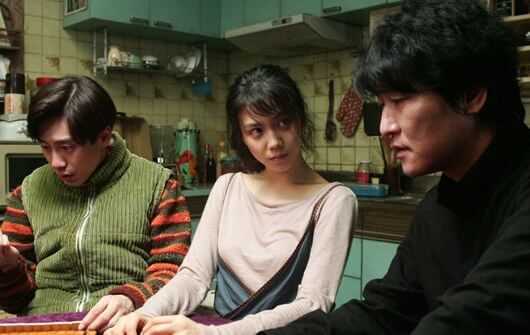
Park Chan-wook’s Thirst is one of the most unusual vampire films ever made. It is bloody, romantic, funny, grotesque, religious, and strangely sad.
Song Kang-ho plays Sang-hyun, a Catholic priest who becomes infected during a medical experiment. The infection changes him. He becomes stronger, stranger, and hungry for blood. But the real problem is not only his new appetite. It is what this transformation does to his faith, his shame, and his desire.
Then Tae-ju enters the picture.
Kim Ok-bin’s performance as Tae-ju gives the film much of its dangerous energy. Her relationship with Sang-hyun is passionate, selfish, doomed, and increasingly horrifying. Together, they turn the vampire story into something more human and more uncomfortable.
Thirst is not just asking, “What if a priest became a vampire?” It is asking what happens when a person who has spent his life resisting temptation suddenly has power, hunger, and permission to become monstrous.
The result is stylish, bloody, and wonderfully unhinged.
Where to watch Thirst: Amazon Prime Video (to rent)
6. The Wailing (2016)
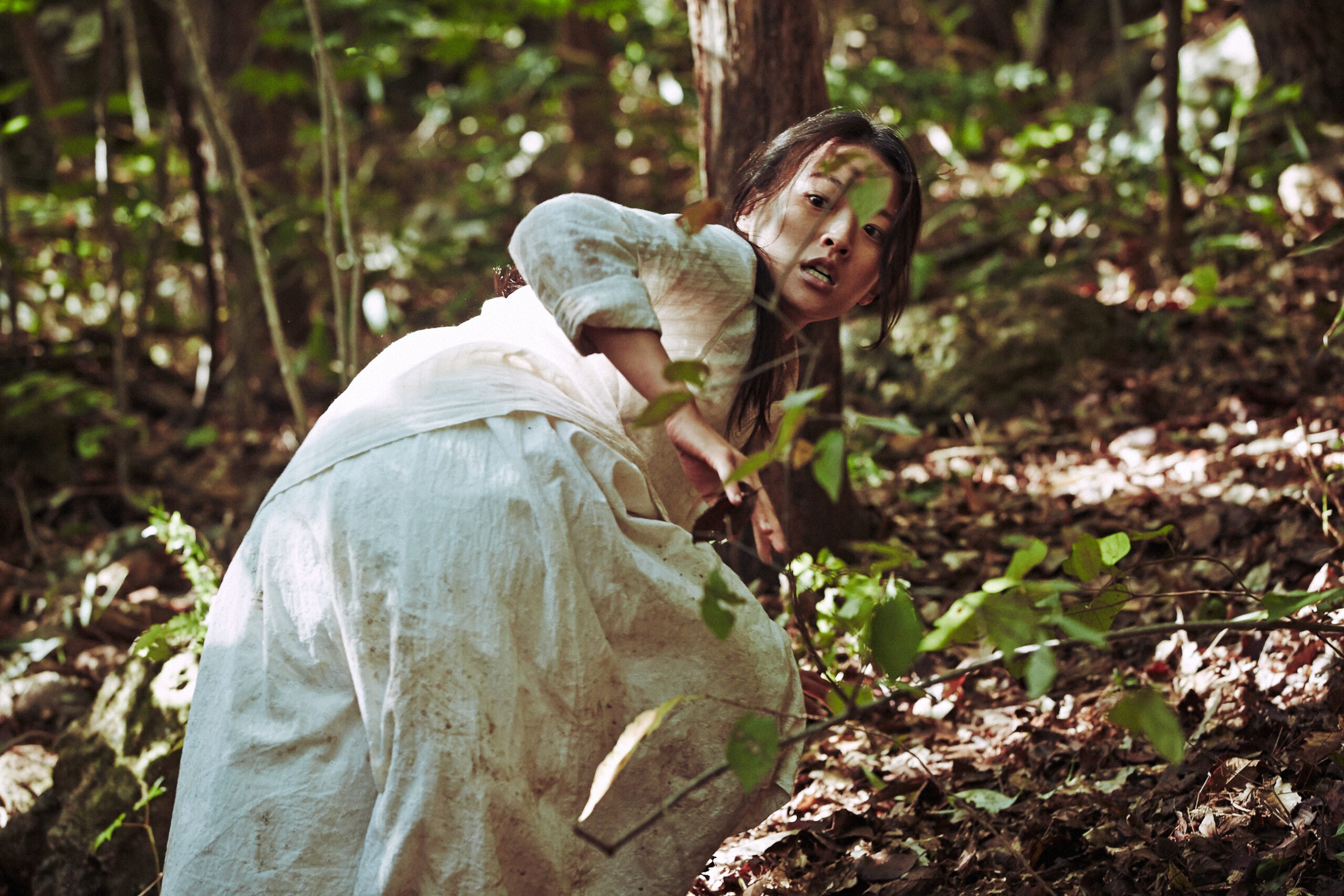
Some horror movies scare you in the moment. The Wailing makes you feel like you have been cursed for watching it.
Na Hong-jin’s film begins in a small village where a series of strange deaths and violent incidents unsettle the local community. A police officer tries to investigate, but every answer seems to lead to more confusion. Is it a disease? Is it murder? Is it possession? Is it something older and darker?
That uncertainty is the film’s greatest weapon.
The Wailing is long, but it uses its runtime carefully. It lets you sit with the village, the people, the rumors, and the rising panic. By the time the horror fully reveals itself, the atmosphere is already suffocating.
The exorcism sequence is one of the most intense scenes in modern Korean horror, but the film’s real terror comes from doubt. No one seems fully trustworthy. No explanation feels safe. Even the viewer starts to feel trapped between belief and disbelief.
It is frightening because it refuses to comfort you.
Where to watch The Wailing: Hulu
5. The Host (2006)
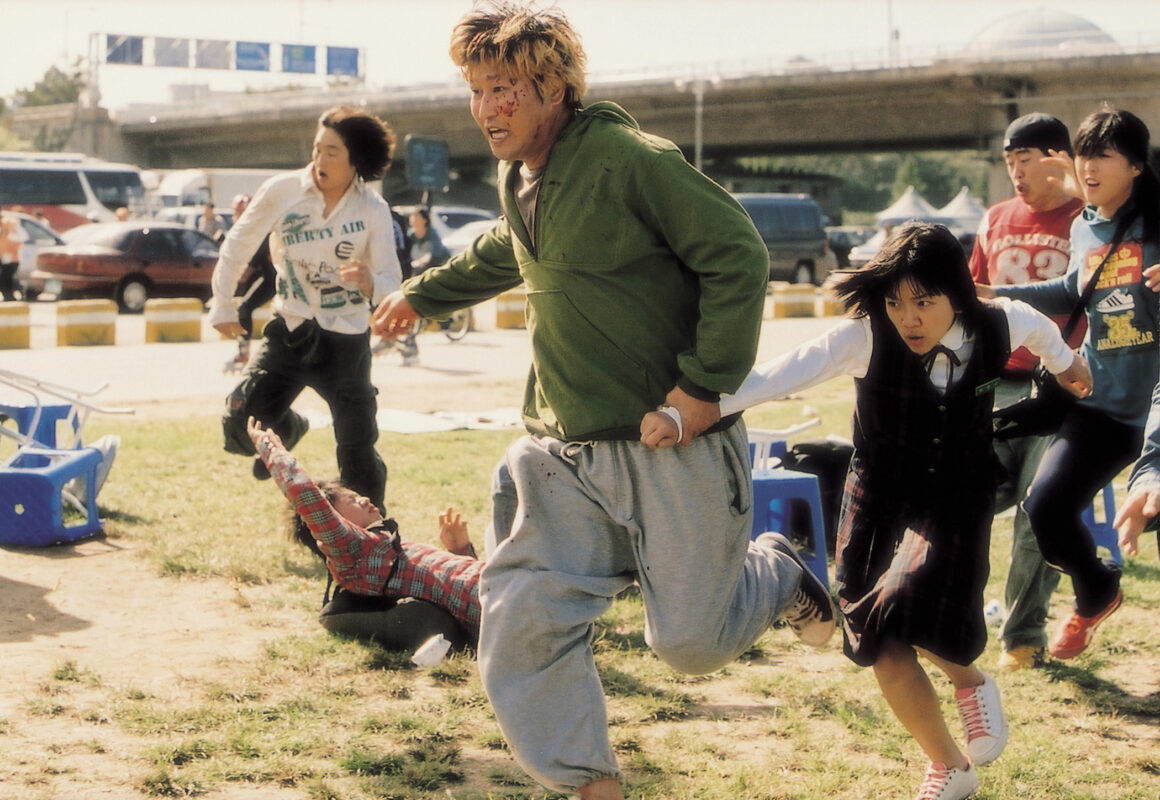
Bong Joon Ho’s The Host is a monster movie, but calling it only that feels unfair. Like many of Bong’s best films, it mixes genres so naturally that you almost forget how difficult that is to do.
A mutated creature emerges from the Han River and attacks Seoul. During the chaos, a young girl is taken, and her family sets out to rescue her. That is the basic plot. But The Host is doing much more than sending a monster after people.
It is also about government failure, environmental carelessness, media panic, poverty, and a family that keeps messing up but refuses to give up. Song Kang-ho gives the film its emotional center as Gang-du, a father who looks foolish to everyone else but is driven by love and desperation.
The creature scenes are exciting, but the family drama is what makes the movie last. Bong understands that a monster is scarier when the humans around it feel real.
That is why The Host still works so well. It is fun, sad, angry, and scary all at once.
Where to watch The Host: Amazon Prime Video
4. I Saw the Devil (2010)

I Saw the Devil is not a comfortable film. It is violent, cold, and emotionally exhausting. But it is also one of the strongest revenge horror-thrillers South Korea has ever produced.
The story begins with a terrible crime. A secret agent, Soo-hyun, loses his fiancée to a sadistic serial killer named Kyung-chul. A normal revenge movie might build toward the killer being caught. This film does something much darker. Soo-hyun catches him early, hurts him, releases him, and then hunts him again.
That is where the horror really begins.
The film is not only interested in punishment. It is interested in corruption. Soo-hyun believes he is controlling the game, but the longer it continues, the more he starts to resemble the monster he is chasing.
Lee Byung-hun brings a quiet, icy pain to Soo-hyun, while Choi Min-sik makes Kyung-chul terrifying without turning him into a cartoon villain. Their battle becomes less about justice and more about spiritual contamination.
By the end, revenge does not feel satisfying. It feels empty, bloody, and irreversible.
3. The Housemaid (1960)

Kim Ki-young’s The Housemaid may not look like a modern horror movie, but its influence is impossible to ignore. This is one of the essential films in Korean cinema, and it still feels sharp more than six decades later.
The story is set inside a family home. A music teacher and his pregnant wife hire a young housemaid to help them. Her arrival slowly destroys the household, bringing desire, manipulation, fear, and violence into a space that once seemed respectable.
The brilliance of The Housemaid is that the horror comes from domestic life itself. There are no ghosts. No monsters. No supernatural curse. The danger is human weakness. The house becomes a trap, and every room seems filled with tension.
The film also works as social commentary. It looks at class anxiety, gender roles, sexual hypocrisy, and the fragile image of the perfect family. That is why it still matters. Its fears are old, but they are not outdated.
Many Korean thrillers and domestic horror stories owe something to The Housemaid.
Where to watch The Housemaid: The Criterion Channel
2. Train to Busan (2016)
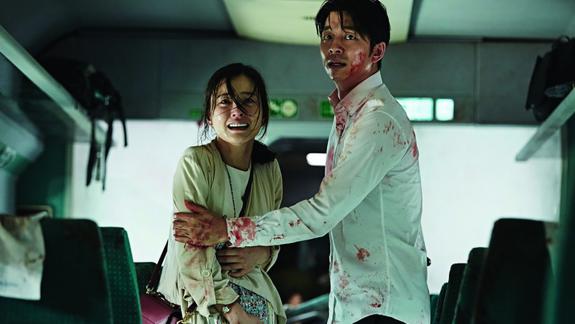
Few horror films are as instantly gripping as Train to Busan. It takes a simple idea — zombies on a train — and turns it into one of the most emotional survival movies of the last decade.
The film follows Seok-woo, a busy father traveling with his daughter Su-an from Seoul to Busan. When a zombie outbreak spreads through the train, the passengers are forced to fight their way through narrow carriages while the country collapses outside.
The setup is brilliant because the train gives the story constant movement but very little freedom. There is nowhere to run. Every carriage becomes a new problem. Every door matters. Every selfish decision can get someone killed.
But the reason Train to Busan became such a massive favorite is not only the action. It is the emotion. The film understands that zombie stories are really about people: who protects others, who panics, who sacrifices, and who chooses survival at any cost.
Gong Yoo gives the movie a strong emotional arc, and Ma Dong-seok nearly steals the whole thing with his toughness and heart.
It is fast, intense, heartbreaking, and almost impossible not to watch until the end.
Where to watch Train to Busan: Netflix
1. A Tale of Two Sisters (2003)
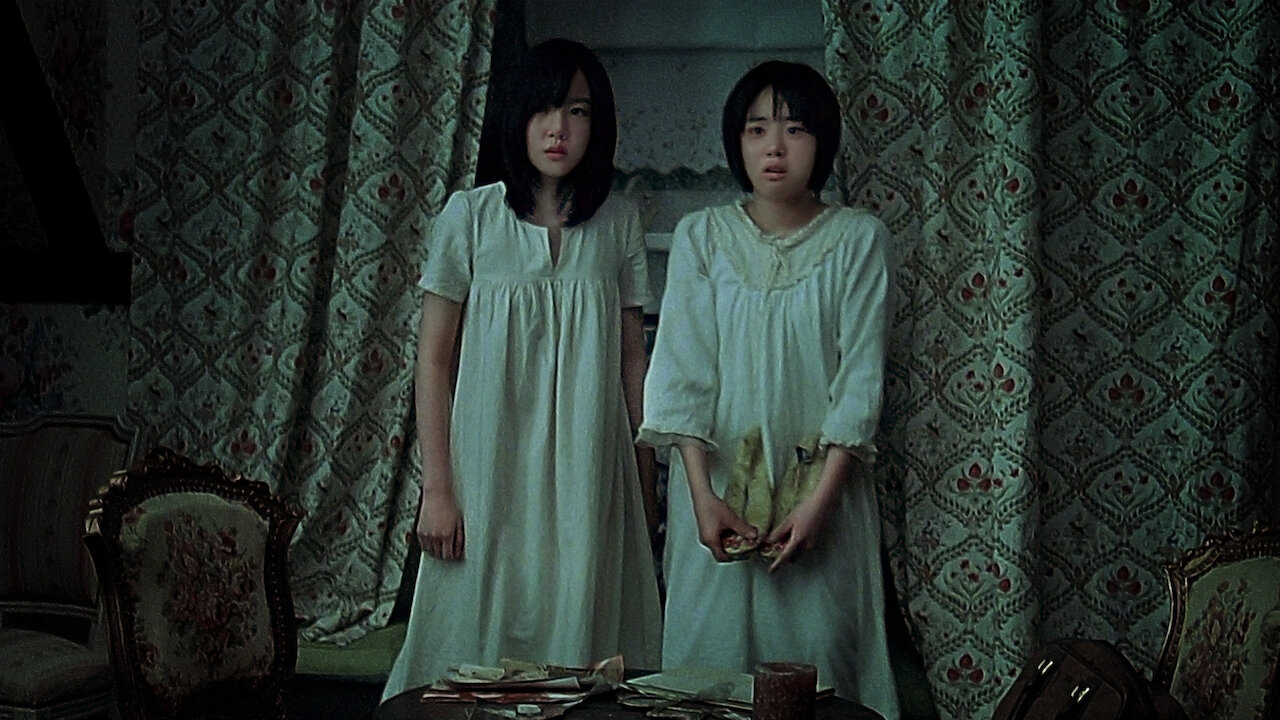
At number one is A Tale of Two Sisters, a film that captures the beauty, sadness, and terror of Korean horror better than almost anything else.
Directed by Kim Jee-woon, the film follows two sisters who return to their family home after spending time away. Their father is distant, their stepmother is cruel, and the house feels haunted by something that no one wants to name.
On the surface, it looks like a ghost story. And yes, the supernatural scenes are genuinely frightening. But the deeper the film goes, the more it becomes a story about memory, trauma, grief, and family damage.
What makes A Tale of Two Sisters so powerful is its atmosphere. The house is beautiful but cold. The colors are rich, but the mood is suffocating. Every glance feels loaded. Every silence feels dangerous.
The film also has one of the most effective twists in Korean horror, not because it exists only to surprise the viewer, but because it changes the emotional meaning of everything that came before. When the truth becomes clear, the horror does not disappear. It becomes sadder.
That is why A Tale of Two Sisters deserves the top spot. It is scary, elegant, tragic, and deeply human. It is not just one of the best Korean horror movies ever made. It is one of the best psychological horror films, period.
Where to watch A Tale of Two Sisters: AMC+
Final Thoughts
The best Korean horror movies are powerful because they understand that fear is rarely simple. A ghost can be frightening, but guilt can be worse. A monster can attack a city, but a broken family can destroy itself from the inside. Zombies can chase people through a train, but selfishness may be the real disease.
That emotional weight is what separates Korean horror from so many ordinary scary movies. These films do not only want to make you jump. They want to get under your skin.
Whether you start with the tragic elegance of A Tale of Two Sisters, the speed and heartbreak of Train to Busan, the cursed mystery of The Wailing, or the brutal revenge of I Saw the Devil, one thing becomes clear very quickly: Korean horror is not just about being scared.
It is about being haunted.

1 comment
[…] Title: A Tale of Two SistersOriginal Title: Janghwa, HongryeonYear: 2003Country: South KoreaDirector: Kim Jee-woonGenre: […]